
Position your organisation at the centre of a leading international transport conference and engage directly with decision-makers shaping the future of the sector.

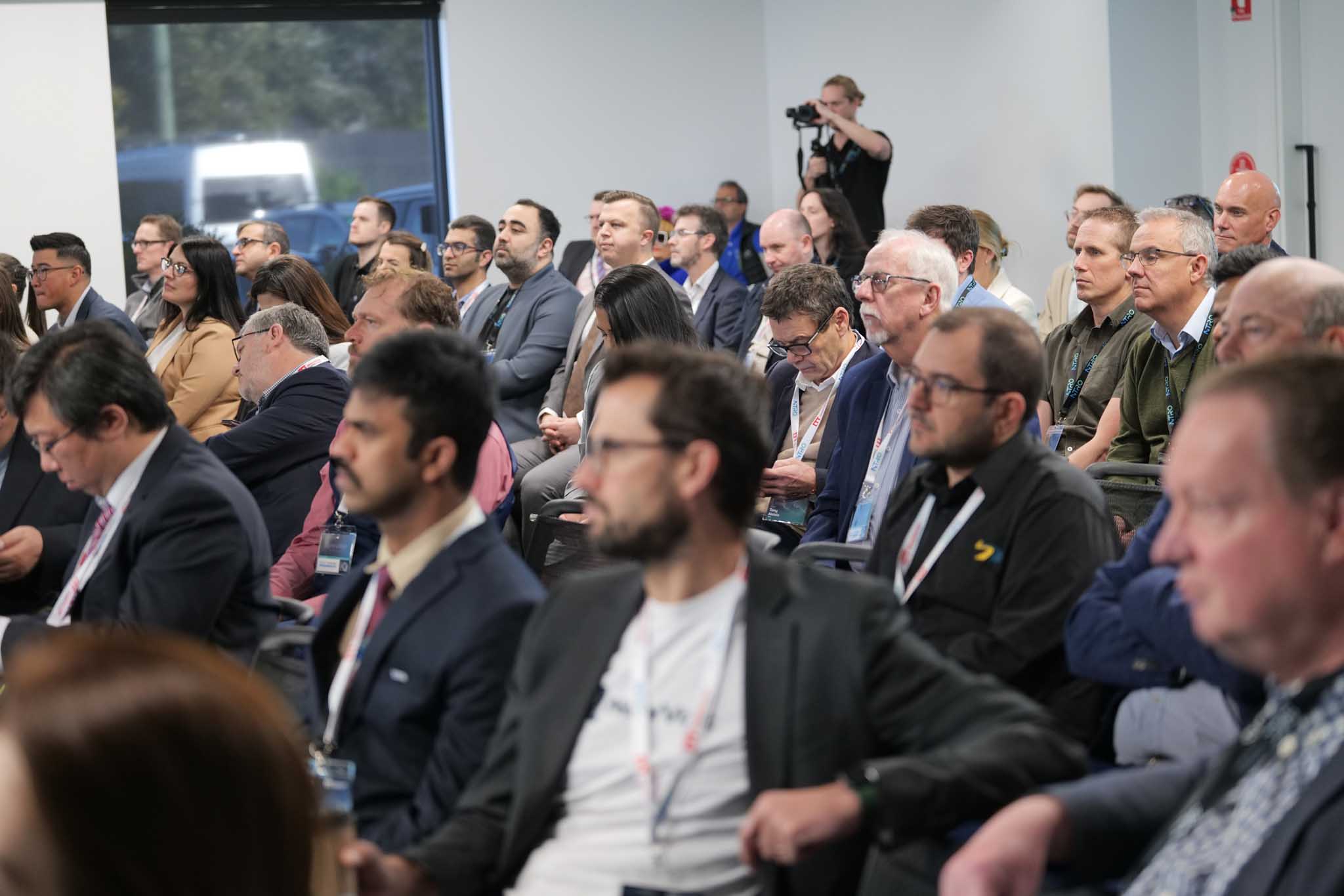
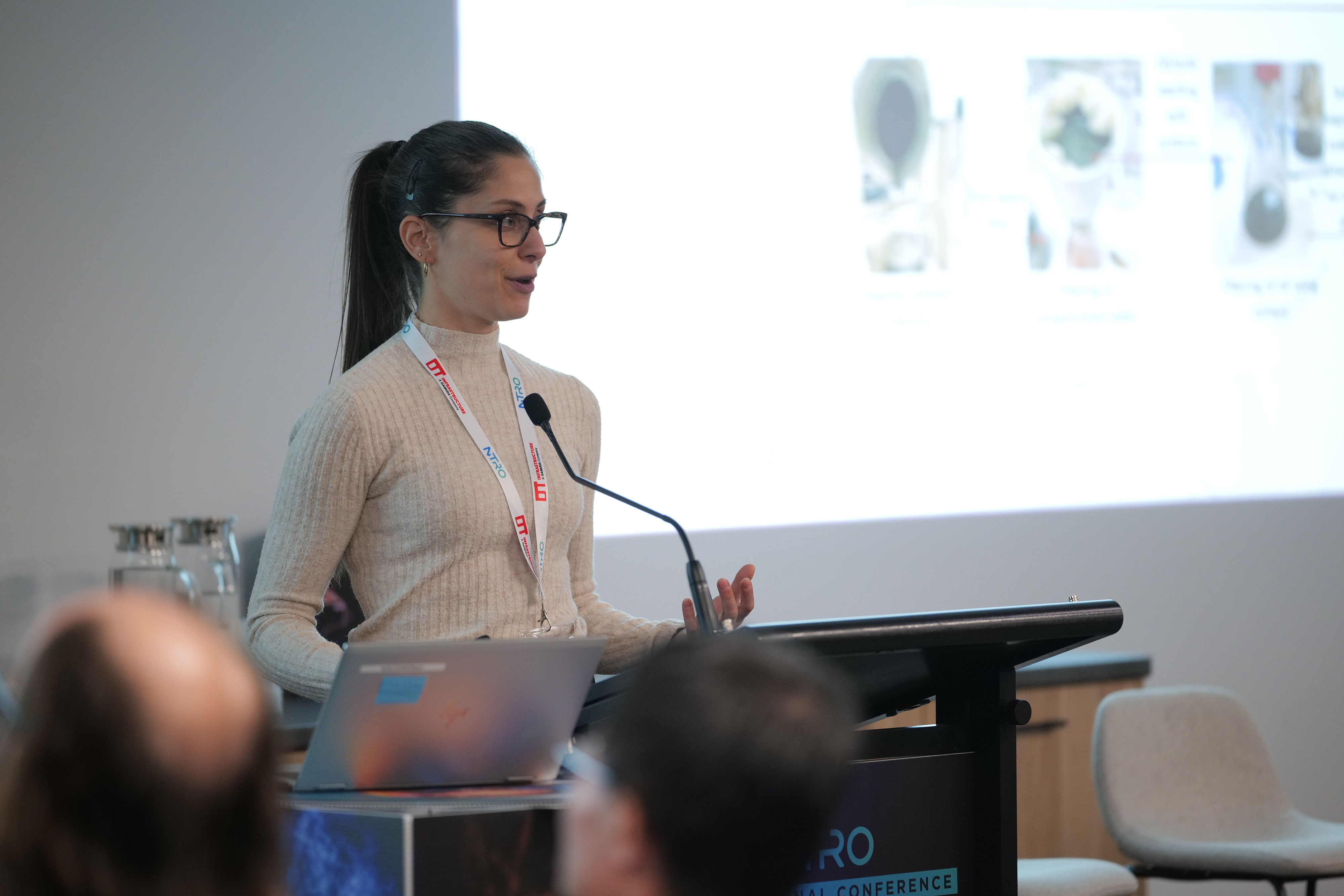
Your participation is what makes this conference a leading platform for advancing research, fostering collaboration, and translating ideas into real-world outcomes. We greatly appreciate the time and expertise you bring to this important conversation.
Abstracts close 1st November 2026
Acceptances issued February 2027
Transport is fundamental to economic productivity, butincreasing demand, constrained resources and changing workforce needs mean weneed to get more from our networks and assets. This stream explores how smartermaintenance, infrastructure design, travel demand management, workforcecapability and investment decisions can improve network performance, increaseefficiency and maximise the value of transport investment.
Collecting data and providing insights is only valuable ifit leads to better outcomes. This stream explores how data, digitaltechnologies, intelligent transport systems, connected and automated vehiclesand predictive analytics can improve asset management, network performance andsafety. The focus is on moving beyond data collection to actionable insightsthat help transport owners and operators make earlier, smarter and moreinformed decisions.
Collecting data and providing insights is only valuable ifit leads to better outcomes. This stream explores how data, digitaltechnologies, intelligent transport systems, connected and automated vehiclesand predictive analytics can improve asset management, network performance andsafety. The focus is on moving beyond data collection to actionable insightsthat help transport owners and operators make earlier, smarter and moreinformed decisions.
Transport risk is changing as vehicles, infrastructure,technology and the way people use our networks evolve. This stream examinesemerging safety risks, human factors, distraction, vehicle and infrastructureinnovation, governance and risk-based decision-making. It will challengeestablished approaches to safety and explore what can be learned acrosstransport modes to identify risk earlier, strengthen assurance and deliverbetter safety outcomes.
This stream puts implementation and measurable outcomes atthe centre of the conversation. Through real-world examples, it will explorehow organisations are delivering productivity improvements, implementing dataand technology, improving safety and building more resilient infrastructure. Itwill also examine what it takes to make innovation work in practice, includingfunding and partnerships, project risk, workforce capability, organisationalchange and the lessons learned along the way.
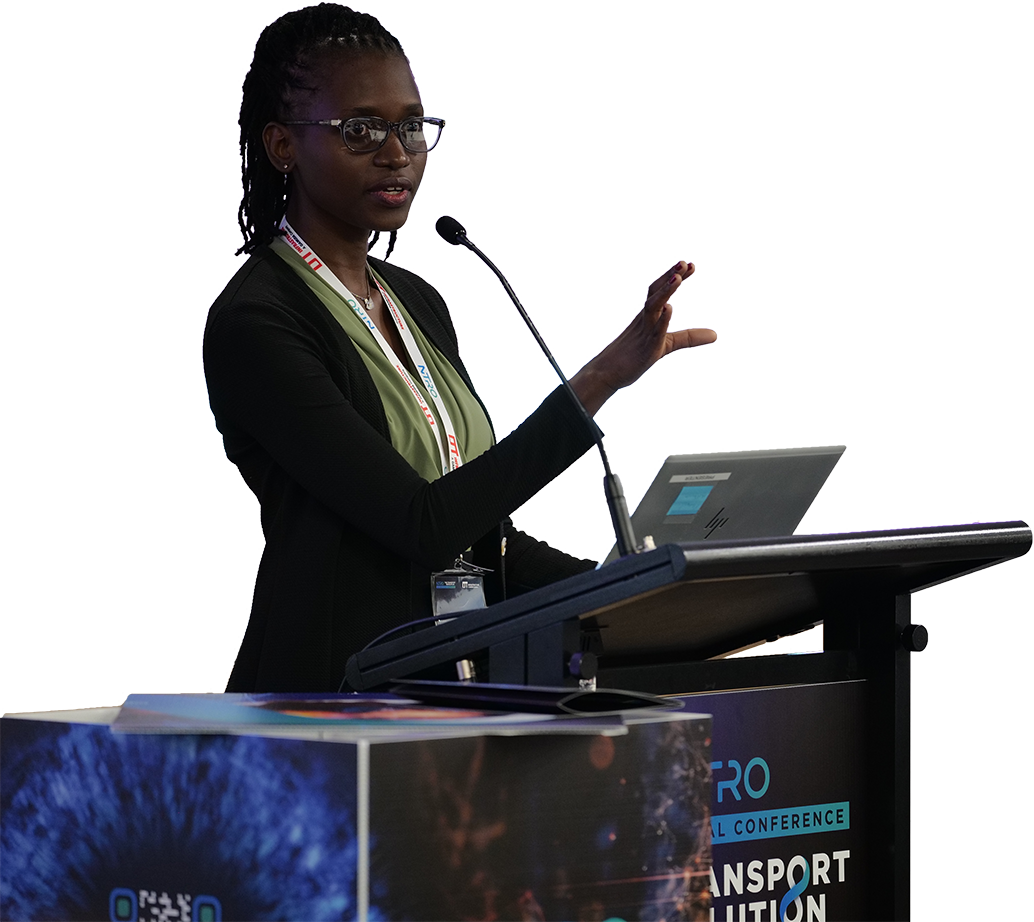
We are seeking submissions that demonstrate practical application, innovation and measurable outcomes. Abstracts should address the transport challenges that matter and show how research, evidence and practical solutions are helping solve real problems across the sector.
We welcome contributions describing R&D activities that develop new knowledge and methods to solve transport problems or describing case studies, where new approaches have delivered improved transport outcomes.
Practitioners can contribute to the conference in two ways.
Submit an extended abstract (500–800 words) and deliver a presentation. The extended abstract should clearly convey the key messages and contribution of the work. Reviewers may suggest improvements for clarity or request additional information. Accepted abstracts will be published in the conference proceedings.
Submit a checked abstract (350 words), followed (if accepted) by a full technical paper (2,500–5,000 words, maximum 12 pages including figures and tables) and deliver a presentation. The initial abstract must provide enough information for the conference team to assess the potential contribution of the full paper. Full papers will undergo formal peer review, with feedback provided for refinement. Accepted papers will be published in the conference proceedings. Reviewers may nominate outstanding papers for special recognition at the Conference Dinner.


